How it began
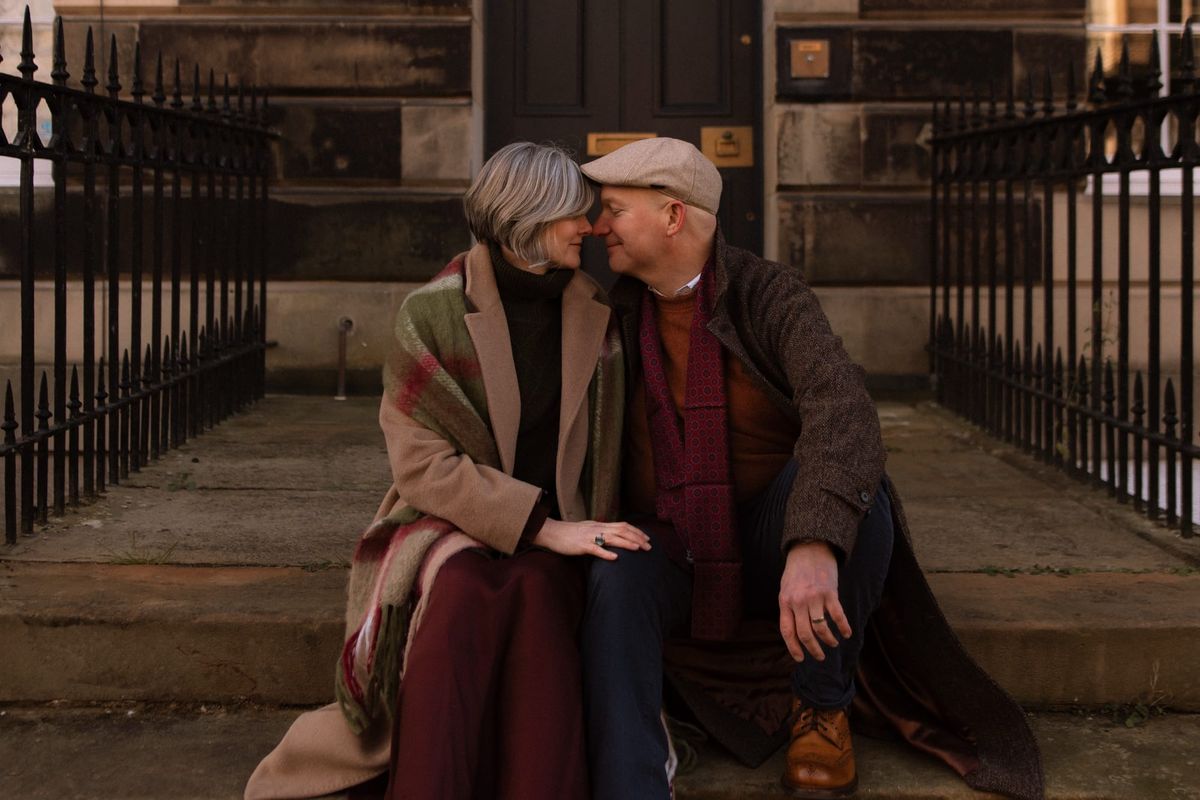
We moved to Edinburgh from Seattle in September 2024 and settled into a lovely Georgian townhouse on Danube Street in Stockbridge. Eventually, a forty-foot long shipping container would arrive with everything we owned. But for a short while, Caitlin, I, and our five cats spread out over three stories of gracious living.
I have an impressionable nature: I think things are cool. The world is an endlessly fascinating place. If I’m not careful, I’ll spend all my time indulging in research and never get anything done. When we moved here, other than work, I had nothing else to do. So I was enchanted by one of our neighbours who had written a small book about the history of Danube Street. I devoured the book.
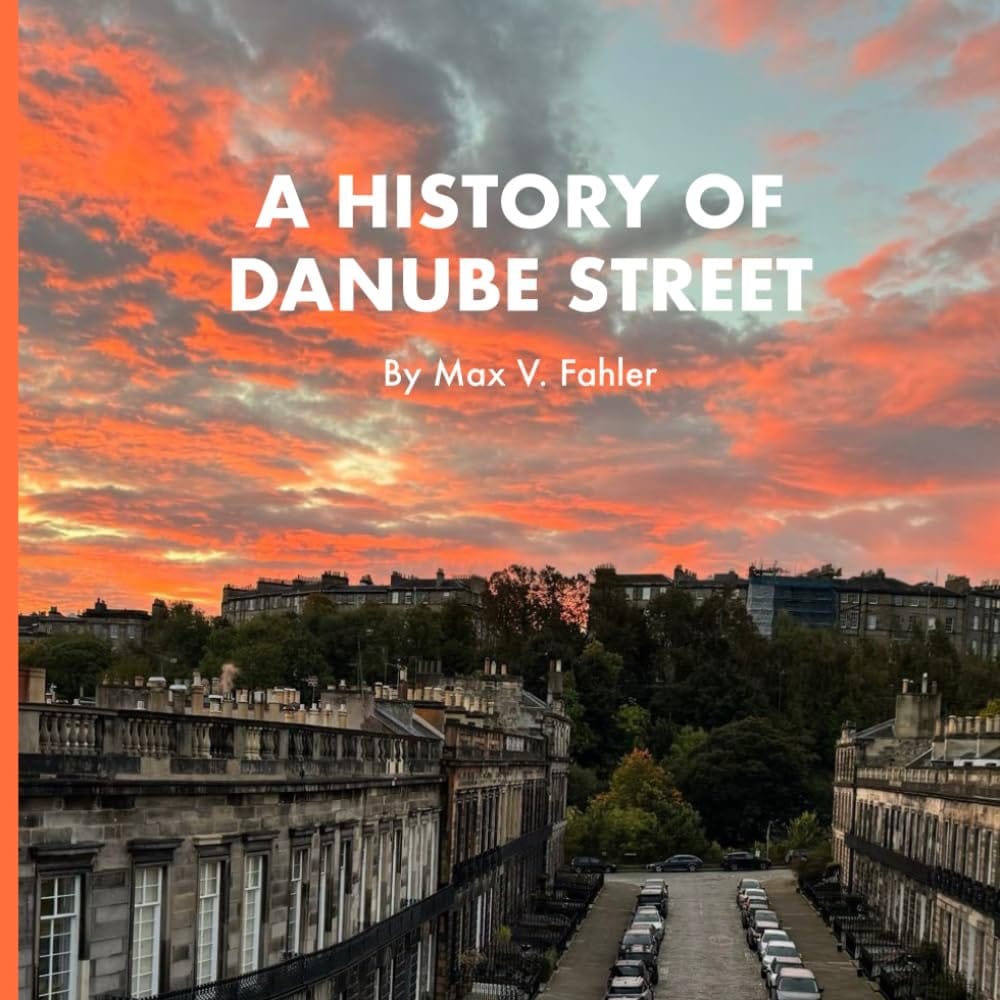
I should have known. That book was a gateway to an obsession with Edinburgh's Victorian era. Mostly, the history of New Town, where we lived. At that time Old Town was still pretty sad and unpleasant, which was why anyone who could moved to New Town.
Every day I pestered Caitlin with a barrage of moderately interesting facts about our adopted home. For example, in 1832 a dressmaker in Edinburgh ran a shop at No 4 Charlotte Square. Thanks to her skill and good fortune, she received an appointment as dressmaker and milliner to Her Majesty, Queen Adelaide. She was on the way up in life. However, thanks to the boom in ready-made clothing, known at the time as “slop”, just a few short years later, she had to scale back and move her shop to the downscale neighbourhood of Moray Place, which today is anything but. This morsel of information accompanied diatribes about custom clothing manufacture and both men’s and women’s fashion.
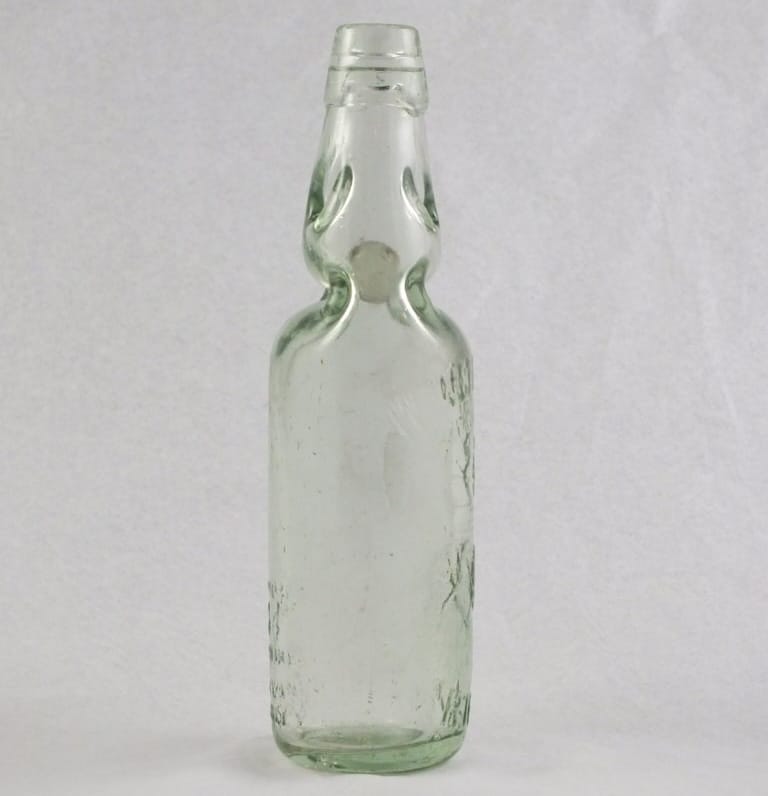
My research uncovered many inventions which I’d mistakenly attributed to different eras. We’ve always been big fans of carbonated water. Naturally occurring carbonation has been available for ages, but bottling carbonated liquids proved tricky, because the fizz gets out. However, in 1872, the fizzy water drinkers rejoiced because the Codd-neck bottle revolutionised the carbonated beverage industry, such as it was. This invention included a glass bead in the neck, which ensured the carbonation wouldn’t escape as long as the bottle remained upright.
In the 1870s, bathhouses took Scotland by storm. Many older buildings hadn’t included bathing or laundry facilities. Like so many things in the Victorian era, bathing facilities were often separated by social strata. If you could afford the luxury, you might enjoy a Mediterranean-inspired interior with rings and trapezes over the pool. But anyone could get clean and wash their clothes.
Not everything I uncovered tickled my fancy. As I learned about efforts to compel school attendance, you can imagine how my modern sensibilities recoiled upon discovering how women were treated in schools. I’m not foolish enough to think we’ve solved sexual discrimination, but at least my sister wasn’t turned away when she wanted to earn a college degree. In many ways, Scotland treated women with greater respect than did England, but the University of Edinburgh barred them from medical school long after universities in London had accepted them. This became a key plot point for one of my characters.
Putting the research to use
Even before I arrived here in Edinburgh, I discovered the Edinburgh branch of the Roleplay Haven. Every Wednesday from September through December, I joined several other nerds to play a game of Swords of the Serpentine, a game with a fantastic setting and an intriguing magic system. I had a delightful time, but I’ve always enjoyed telling stories more than acting them out. When the game wrapped, I proposed running a new-player friendly D&D campaign in a novel setting: a pseudo-Victorian city on the frontier of a new continent where magic permeates everyday life.
The layout and design aesthetics of this city followed New Town: wide streets, uniform buildings, and prominent pavements for walking. Although this city took construction cues from Edinburgh, it needed to acknowledge the changes a hotter, arid climate and the availability of magic forced upon it. Enter the Guilds: the Icemen, the Lamplighters, the Transit Authority, etc.
You’re not wrong in thinking you know what these guilds do, but they usually do it with magic. For example, iceboxes became increasingly common for domestic use in the 1840s. Refrigeration existed, but it was just inconvenient. With magic, it didn’t need to be inconvenient, but it also didn’t need to be cheap. Why, oh why, would it be cheap? A representative from the guild of Icemen would visit once a month to replace the crystal that provided the durable source of cold in your icebox. You would willingly pay for that service, because of course you would.
In retrospect, I’d love to return to this setting sometime, because there’s so many interesting possibilities to mine from it.
Getting bullied
We returned to Seattle for a family wedding in August 2025. While we were there, Caitlin had planned to take an online workshop on how to outline your novel. We’d both been noodling with story ideas, but had been feeling burned out with work. I hadn’t planned to join her in the workshop, but when she came down with COVID we couldn’t do anything. So, we spent a few hours everyday learning about techniques for creating an outline for a novel.
Unlike Caitlin, I felt well enough to actually do the assignments for the class and by the middle of August had a rough outline for a story about a djinn trying to deliver an overdue book (no spoilers). But once we returned to our life, I didn’t have the emotional bandwidth to make progress on it. That’s where the Universe decided for me.
At the beginning of September, my employer decided they no longer required my services as an engineering leader. The team of engineers I’d moved from Seattle to Edinburgh to lead would be better off with someone else at the reins. In retrospect, I’m incredibly thankful. Because, thanks to the backward-looking attitude of the UK government and my amazing wife’s unswerving enthusiasm, I’ve could focus exclusively on writing ever since.
I joke Caitlin bullied me into writing this book. But without her, I wouldn’t have completed my first draft back in the Spring and I wouldn’t be starting on my second draft now.