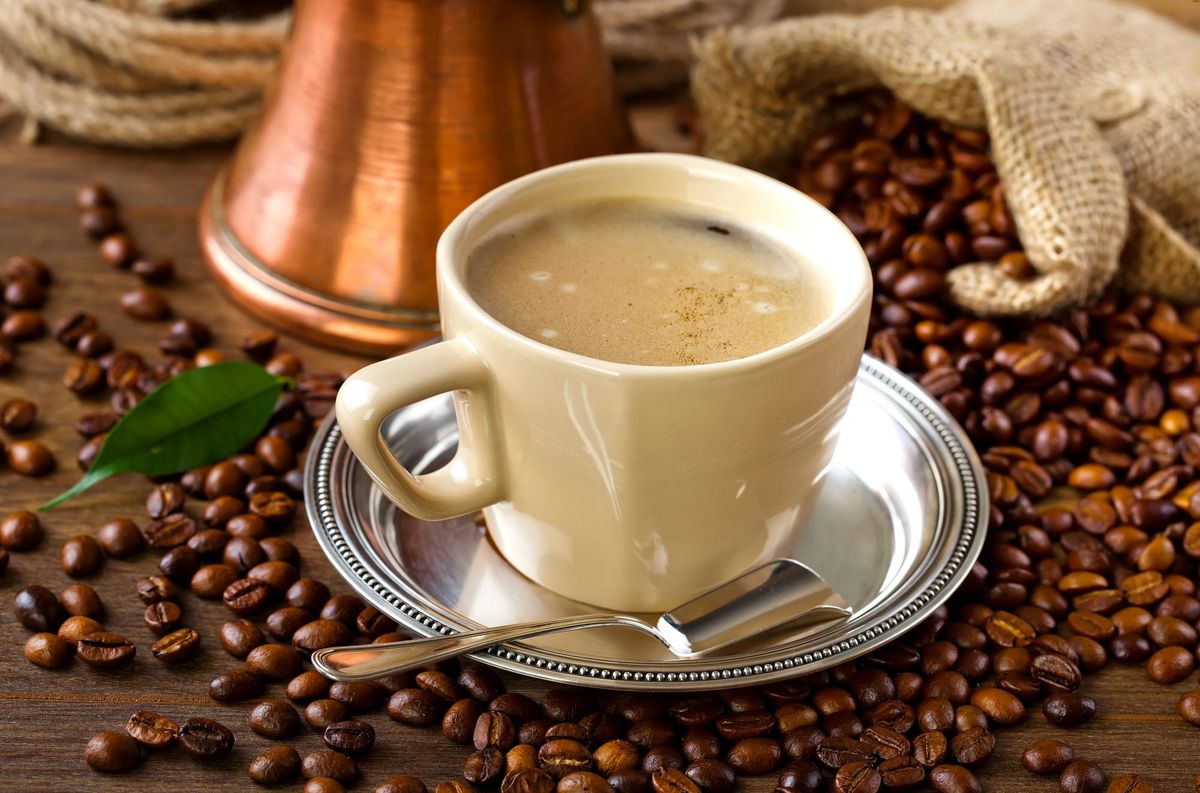
A Cup of Dutch Coffee
Long before my story begins, the Dutch were a maritime power with trading concerns taking them all over the world. Those of you who value your morning cup of coffee know no matter how brightly the sun shines, there’s a pall on the day that doesn’t begin with a steaming Cup of Joe. The Dutch knew this too.
These days we don’t spend much time aboard wooden sailing ships like the Dutch sailors did in the seventeenth century. Back then there were no tidy little gas stoves on which to heat up your Moka pot. In fact, cooking of any kind outside the ship’s kitchen was absolutely forbidden. That meant a sailor yearning for a morning pick-me-up needed to brew their coffee without starting a fire and possibly burning the ship down to its keel. Enter coffee brewed with cold water, or Dutch Coffee.
What’s the difference?
Today we’re all familiar with cold brew coffee — well, those of us who drink coffee — and most regard it as a superior tasting brew. The process for immersion cold brew is relatively simple:
- Put some coarsely ground beans in a pot
- Fill the pot with cold water (usually at a ratio of one part coffee to four to six parts water)
- Stir the mixture to ensure saturation
- Wait twelve to twenty-four hours (twelve is average)
- Filter out the coffee grounds
- Enjoy!
However, coffee connoisseurs reckon the Dutch method of brewing coffee produces an even fuller and more nuanced liquid, with a silky texture that’s unsurpassed. The Dutch brewing method requires slightly more complex equipment, but the trade-off is worthwhile. Consider the Yama drip tower below:
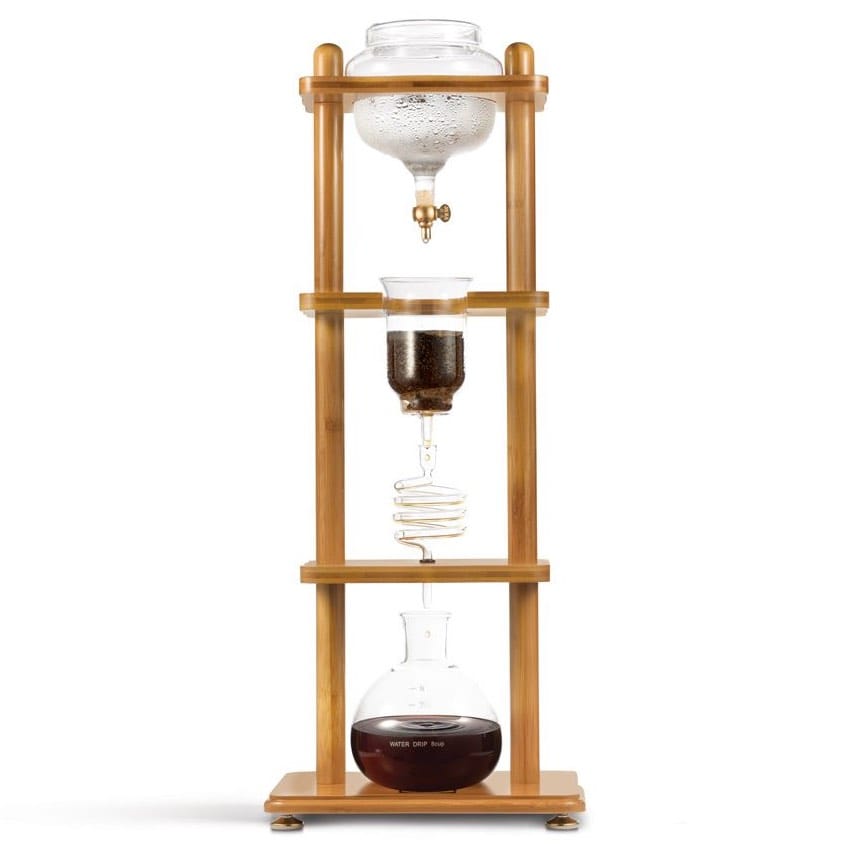
At the top there is the water reservoir, which you fill with ice water for best results. Below that is the container for the coarse-ground coffee. It’s a bit difficult to spot, but there’s a filter at the bottom of the grounds. The twirly glass is probably just for show. Then there’s the coffee carafe. Yama says this produces coffee on demand, but that presumes you expect demands for “coffee in three to six hours”.
Why did the Dutch love this?
Honestly, what’s not to love about a method of brewing coffee that makes you feel like an alchemist? But more importantly, Dutch merchants could purchase barrels of coffee to stock their ships as they’d purchase barrels of rum. Even better, the highly concentrated coffee wouldn’t spoil on long voyages. Coffee for everyone!
Of course, if the sailors hadn’t drunk all the coffee, then you could always sell the remaining barrels when you reached port. More profit.
Today is International Coffee Day. It’s possible you might find a café serving Dutch coffee in your city. If you do, I urge you to give it a try.